Quick Answer:
Anesthesia is one of the most common worries patients have before surgery. The idea of being “put to sleep” can feel scary – but modern anesthesia is extremely safe.
In fact, serious complications from anesthesia are very rare, especially in healthy individuals.
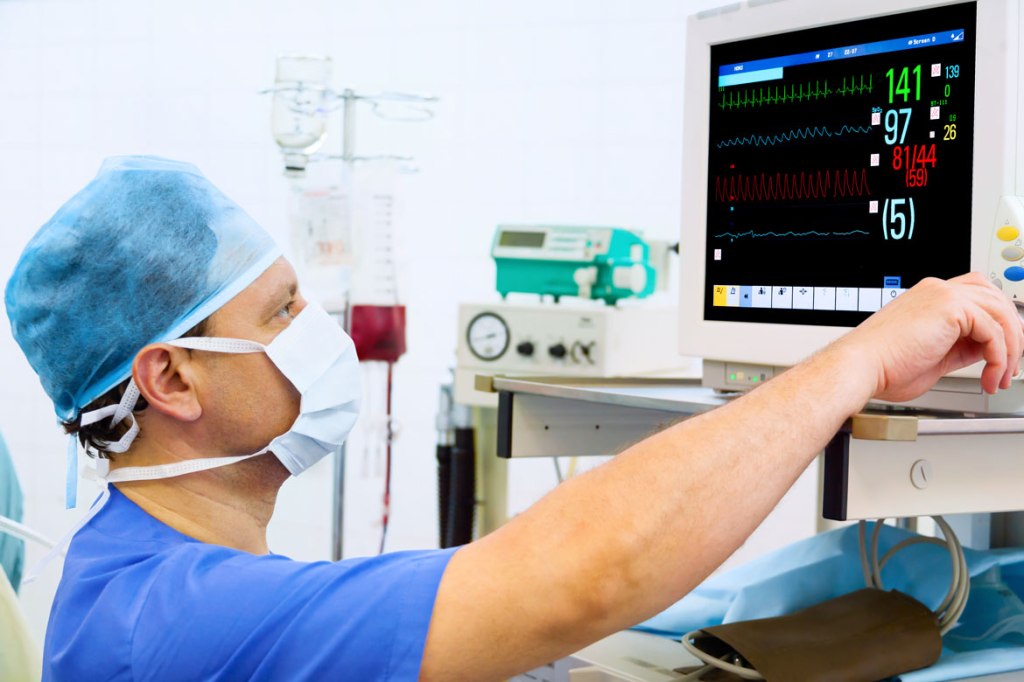
How Safe is Anesthesia Today?
Thanks to advances in medicine, monitoring, and training, anesthesia safety has improved dramatically.
- Serious complications are estimated to occur in less than 1 in 100,000 cases
- Most people undergo anesthesia without any major issues
Anesthesia providers never leave the room and continuously monitor:
- Heart rate
- Blood pressure
- Oxygen levels
- Breathing
- Brain activity
This allows for real-time adjustments throughout your procedure
What are the Risks?
Common and temporary side effects:
- Nausea
- Sore throat
- Drowsiness
- Dizziness
You can learn more about these in our article on side effects of general anesthesia
Less common:
- Confusion, especially in older adults
- Muscle aches
- Shivering
- Itching
Rare but serious:
- Breathing complications
- Allergic reactions
- Heart problems
These are uncommon and are managed immediately by your anesthesia tea, if they occur.
What Affects Your Personal Risk?
1. Your overall health
Conditions like:
- Heart disease
- Lung disease
- Obesity or obstructive sleep apnea
- Smoking or vaping
- Diabetes
can slightly increase your risk.
2. Type of surgery
Long or more complex procedures (like open heart or brain surgery) carry higher risk
3. Type of anesthesia
- General anesthesia has more systemic effects
- During surgery: your heart rate or blood pressure can begin to fall or rise to dangerous levels. This is immediately treated by your anesthesia provider
- Sedation carries less risk
- Regional/local anesthesia is often lower risk, but may not be the right choice for your procedure
4. Your medical history
- Talk to your anesthesia provider about all health conditions or concerns you have
- Mention any previous complications or side effects experienced by you or your immediate family members
How anesthesia providers keep you safe
Anesthesia is not just giving the drugs and turning on the gas – it’s constant management.
Your provider will:
- Review your medical history
- Choose medications tailored to you
- Monitor you closely from start to finish
- Adjust everything in real time
This is why anesthesia is considered one of the safest fields in medicine today.
What YOU can do to improve safety
You play an important role in your safety too.
Be honest about:
- Medications
- Alcohol, drug, tobacco, or vape use
- Medical conditions
Follow instructions:
- Do not eat or drink before surgery if you were told not to
- Take or stop your medications exactly as instructed
Ask questions:
- What type of anesthesia will I get?
- What are my specific risks?
Why anesthesia feels scary, but really isn’t:
Fear of anesthesia is often about
- Loss of control
- Fear of not waking up
- Fear of waking up during surgery
The reality is:
- You are continuously monitored
- Your anesthesia provider can see exactly how asleep or awake you are
- Providers are highly trained specifically for emergencies
- The system is designed with multiple layers of safety, including multiple types of alarms, many different monitors, backup plans and equipment, and highly-advanced training
Bottom Line
Anesthesia is very safe for the vast majority of patients.
No medical procedure is completely risk-free, but modern anesthesia is:
- Highly controlled
- Closely monitored
- Tailored specifically to you
If you are preparing for surgery and are worried about receiving anesthesia, speak to your anesthesia team: we’re happy to help put your mind at ease.
 Ask Anesthesia
Leave a reply to Before Surgery Instructions: What to Do (and NOT Do) Before Anesthesia – Ask Anesthesia Cancel reply