Quick Answer:
If you’ve ever been told not to eat or drink before surgery, you might wonder why it’s such a strict rule. The reason is simple—but extremely important: your safety during anesthesia.
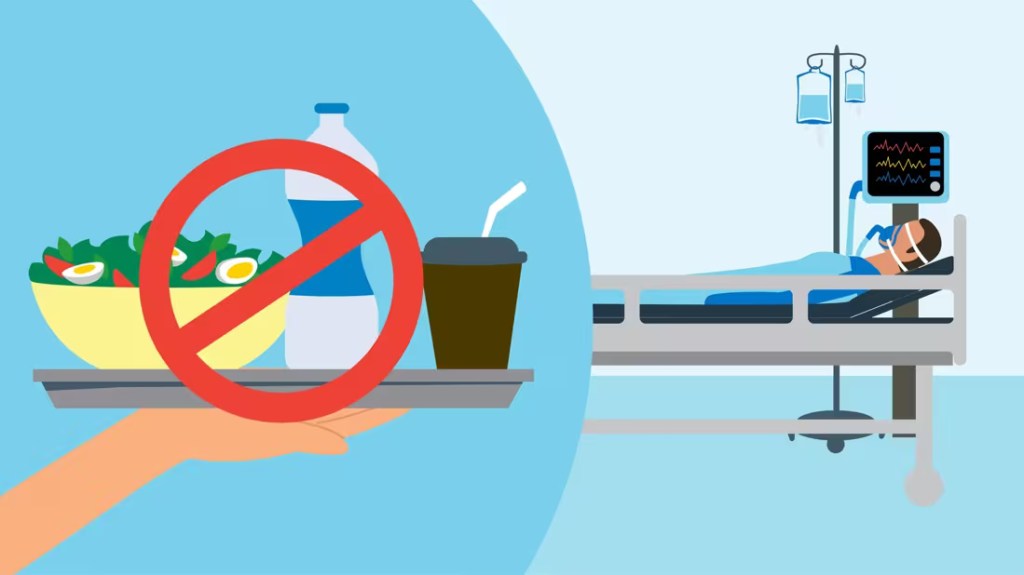
You can’t eat before surgery because anesthesia relaxes your body—including the muscles that normally keep stomach contents from coming back up.
If food or liquid is in your stomach, it can travel into your lungs during anesthesia. This is called aspiration, and it can be dangerous, even resulting in death.
What Happens During Anesthesia?
When you receive general anesthesia, your body undergoes several changes:
- You lose consciousness
- Your airway reflexes are suppressed
- Muscles that prevent regurgitation relax
Normally, your body would cough or gag to protect your lungs. Under anesthesia, those protective reflexes don’t work.
What Is Aspiration?
Aspiration occurs when stomach contents enter the lungs.
Why this is dangerous:
- Food or liquid can block airflow
- Stomach acid can damage lung tissue
- It can lead to serious complications like pneumonia
In severe cases, aspiration can become life-threatening.
Even a small amount of liquid in the stomach can pose a risk when protective reflexes are turned off.
Why the Rules Are So Specific
You’ve probably heard instructions like:
- No solid food for 6–8 hours
- Clear liquids allowed up to 2 hours before surgery
These guidelines are based on how long it takes your stomach to empty.
General guidelines:
- Solid foods: take longer to digest
- Clear liquids (water, black coffee): empty faster
Your anesthesia team follows evidence-based guidelines to minimize risk.
What Counts as “Eating”?
Many patients are surprised by what breaks fasting rules.
You should NOT have:
- Food of any kind
- Milk or cream
- Juice with pulp
- Chewing gum
- Candy or mints
Even small amounts can increase stomach contents.
What About Drinking Water?
In many cases, clear liquids are allowed up to 2 hours before surgery.
This can actually:
- Reduce dehydration
- Make you feel better before surgery
But always follow your specific instructions, as they may vary.
What Happens If You Eat Anyway?
If you accidentally eat before surgery:
- Tell your care team immediately
- Do NOT hide it
Your surgery may need to be delayed for safety. This isn’t a punishment—it’s to protect you from serious complications.
Are There Exceptions?
Yes. Some patients may have different instructions, including:
- Emergency surgeries (where fasting isn’t possible)
- Conditions that slow stomach emptying (like diabetes or gastroparesis)
- Medications that slow stomach emptying (like Ozempic or Mounjaro)
- Pregnancy
In these cases, anesthesia providers take extra precautions.
How Anesthesia Teams Keep You Safe
Even with fasting, your anesthesia team is always prepared.
They may:
- Use medications to reduce stomach acid
- Use techniques to protect your airway
- Place a breathing tube if needed
Safety is always the top priority.
Bottom Line
Not eating before surgery might feel inconvenient, but it’s one of the most important safety steps you can take.
Following fasting instructions significantly reduces your risk of complications during anesthesia.
If you’re ever unsure about what you can or can’t have, always ask your surgical or anesthesia team.
Leave a Reply